
If you’re lactose intolerant, you’re probably familiar with lactose-free dairy products. From a producer’s perspective, this topic raises many questions, especially regarding the technological processes that make it possible to enjoy delicious cheese without concerns.
The Process of Making Lactose-Free Cheese
To understand how it’s made, it’s important to explore the production steps that allow for the removal of lactose. During traditional cheesemaking, the majority of lactose is removed along with the whey. The remaining amount is then fermented by the starter microflora’s lactic microorganisms. However, this process can leave traces of lactose, which may still cause issues for those with lactose intolerance.
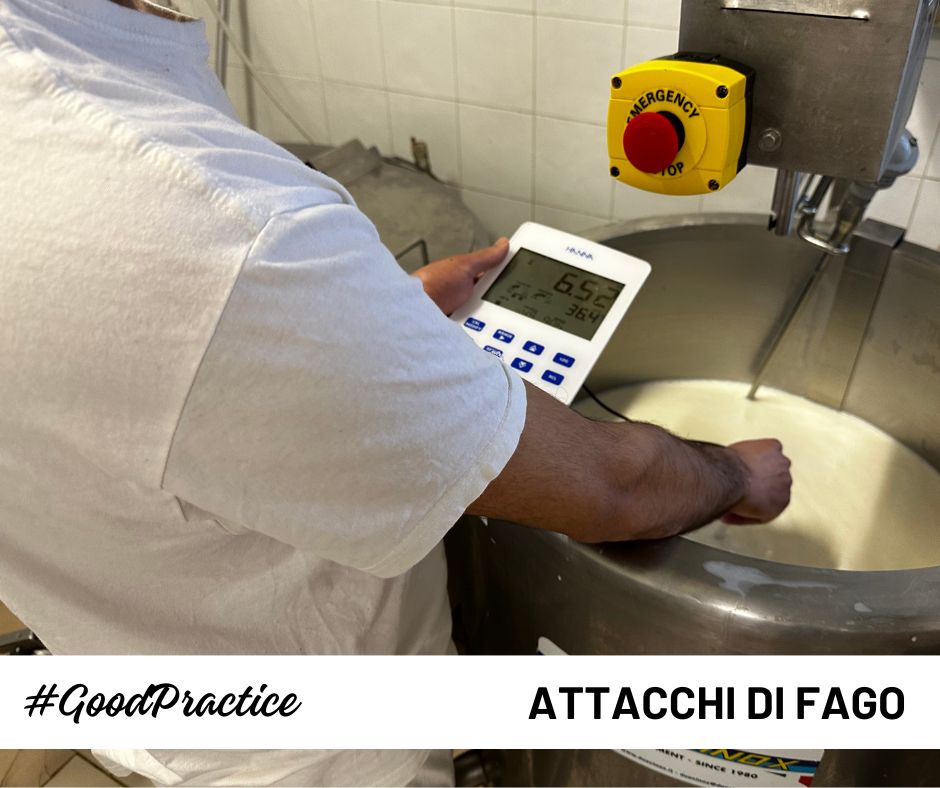
To ensure that the cheese is truly lactose-free, an additional step is taken: hydrolysing the milk sugar. This involves introducing the enzyme lactase directly into the cheese vat along with other ingredients, or 1–2 hours before adding the cultures. This enzyme breaks down any residual lactose, making the cheese safe for lactose-intolerant consumers.
Other technologies may also be considered depending on specific production needs.
Foodcom’s Lactase Enzymes: LATTASI, LATTASI LP, LATTASI HT
- Lattasi
- A specific lactase enzyme extracted from Kluyveromyces lactis.
- Applicable to all dairy products.
- Versatile and suitable for various production processes.
- Lattasi LP (Low pH)
- A next-generation lactase enzyme.
- Used to hydrolyse lactose into glucose and galactose.
- Its formulation makes it particularly effective in fermented milk-based products, maintaining high activity even at pH 5.50 and remaining active down to pH 3.00.
- Lattasi HT (High Temperature)
- An innovative enzyme derived from new thermostable strains, with activity 3–4 times higher than standard lactase at process temperatures exceeding 40°C.
- Optimal activity is around 60°C and remains active up to 68°C.
Why Choose Lactose-Free Cheese? Lactose-free cheese is not only a solution for those who are lactose-intolerant but also a tasty and equally nutritious option for anyone seeking a diet free of lactose. Thanks to technological advancements in lactase enzyme production, it is now possible to enjoy a wide range of cheeses without compromising on flavour or quality.