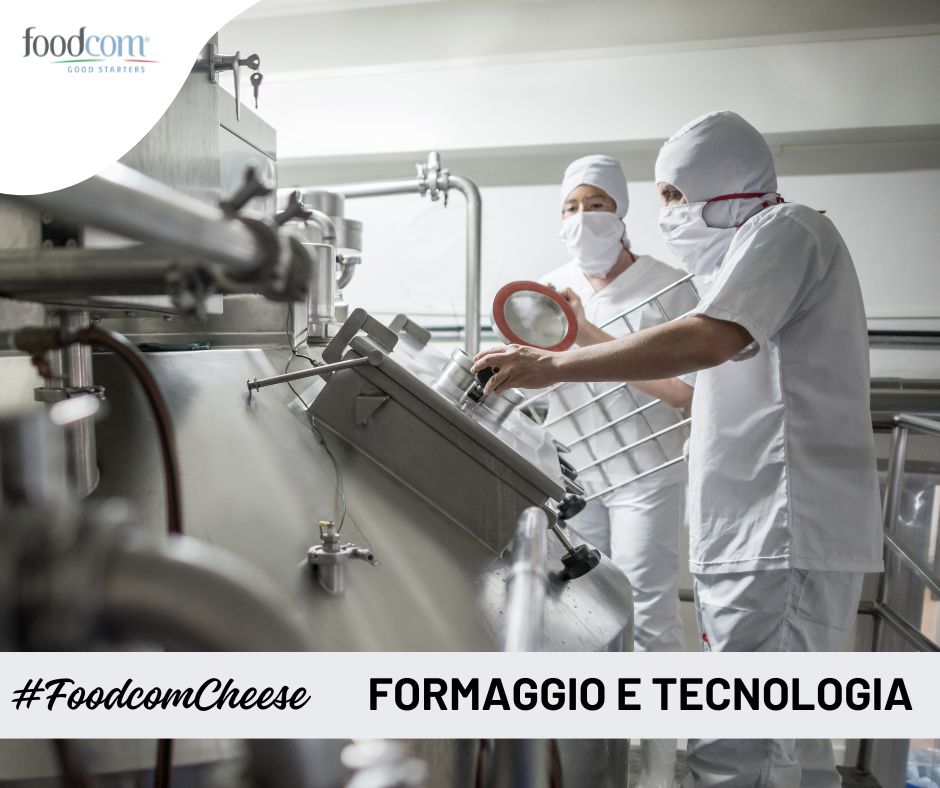
When it comes to cheese, the focus is often only on the final taste or the product’s name. But behind every wheel, every aroma, and every texture lies a world of technical choices and micro-decisions that truly make the difference. The production technology is, without exaggeration, the beating heart of quality. And you don’t need to be a cheesemaker to understand how much each stage impacts what ends up on the table.
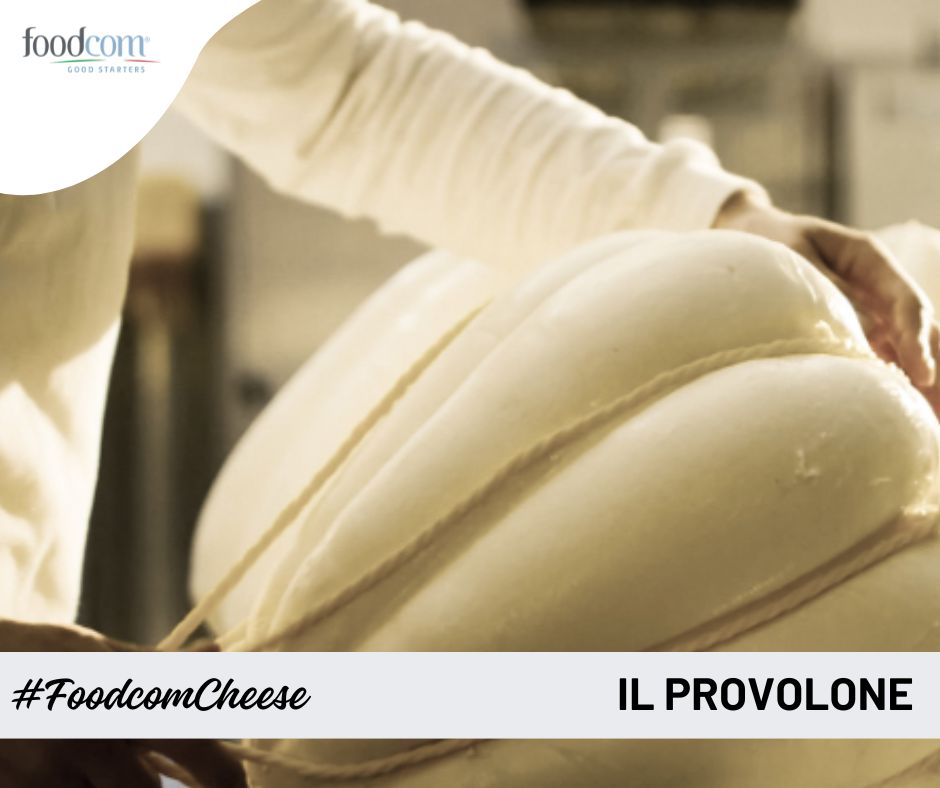
Let’s start with starter cultures. They largely determine the flavor, aroma, and texture. If you’re working on a hard cheese like Gouda or Cheddar, you’ll need mesophilic cultures: active at lower temperatures, they work slowly, creating full-bodied flavors and compact structures. If you’re aiming for mozzarella or provolone, then thermophilic cultures take the stage: they withstand heat and help create an elastic paste, perfect for stretching. Then there are gas-producing cultures, which have a unique trait: they produce carbon dioxide during fermentation. These are responsible for the iconic holes in cheeses like Emmental.
Next comes milk heat treatment — another delicate choice. Raw milk is a biodiversity powerhouse: it contains a natural microbial flora that gives incredibly rich aromatic profiles, but it requires strict hygiene management. Pasteurized milk, on the other hand, is safer and more stable but produces a more neutral sensory profile. In Italy today, according to Assolatte data, about 68% of cheese is made from pasteurized milk.
Moving on to rennet, we enter another vast topic. Animal rennet is still the most common choice for those seeking firm coagulation and an elastic texture. Calf rennet, extracted from the stomachs of milk-fed calves, is ideal for cheeses like Grana Padano, while lamb or kid rennet is suited for aged varieties. But if you want to produce a vegetarian or vegan-friendly cheese, or simply offer a plant-based alternative, you can use microbial or vegetable rennet: the texture will differ slightly, but the results can still be excellent.
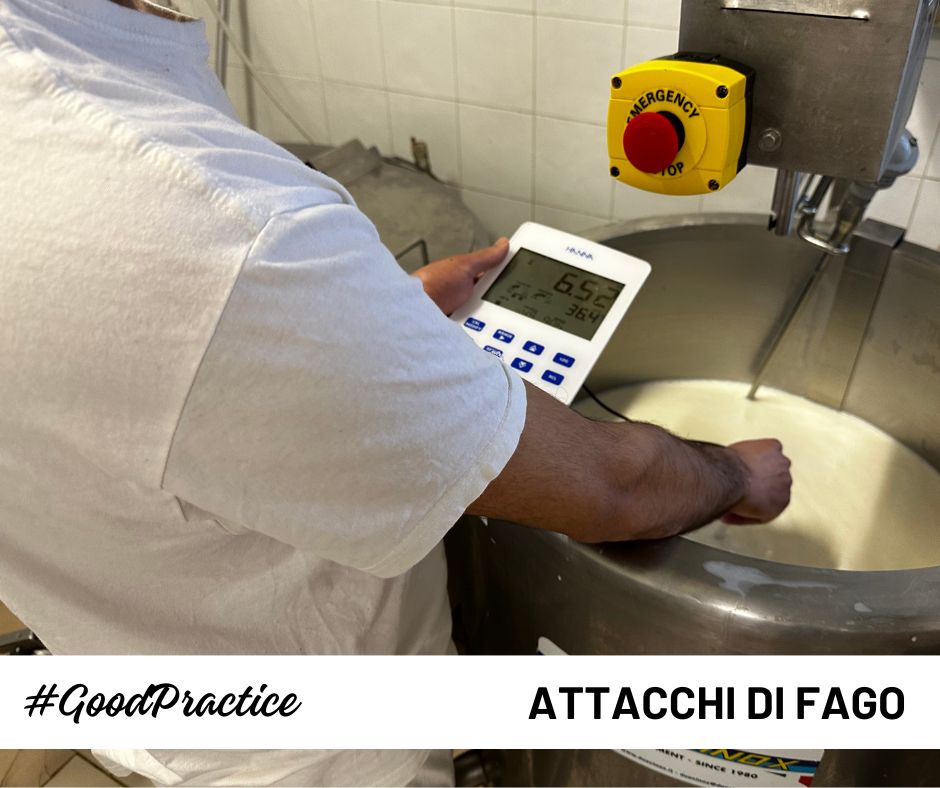
Coagulation time and temperature are also key. Fast coagulation (10–20 minutes) at higher temperatures (up to 38–42 °C) yields a firmer curd, suitable for stretching. For softer, more crumbly cheeses like ricotta or fresh goat cheese, a slower and gentler coagulation at 28–32 °C works best.
Then there’s curd cutting. Just a detail? Far from it. Cutting size directly affects the final texture. A larger cut retains more whey, producing creamier cheeses like gorgonzola or brie. A finer cut expels more whey, resulting in a drier paste — think of Parmigiano Reggiano, with its compact, granular structure. An experienced cheesemaker knows that even millimeter differences in cutting can change everything.
Pressing is another deciding factor. Some cheeses, like Asiago or Gouda, are pressed for hours (sometimes over 12) to achieve a dense, compact structure and remove as much whey as possible. Others, like Camembert, aren’t pressed at all, allowing gravity alone to shape a lighter, moister paste.
Salting is not just about flavor. It can be done in brine or dry-salted. Salt enhances taste, helps preservation, and contributes to rind formation. A study by the University of Parma found that correct salting can extend cheese shelf life by up to 30%.
And then comes aging — the stage where time truly works its magic. But it’s not just time: humidity, temperature, airflow, molds, and bacteria all play a role. Roquefort, for example, requires natural caves and specific molds (Penicillium roqueforti) to develop its signature blue veins. Taleggio, on the other hand, needs rind washing to encourage the growth of specific bacteria that define its aroma profile.
Finally, post-production treatments. Smoking is an ancient art that adds a rustic, savory note — think smoked scamorza or provola. Paraffin coating, a modern yet effective method, is used to protect cheeses like Edam or Gouda from contamination and dehydration.
Every choice in these processes is deliberate. Every stage, every temperature, every action directly impacts the product’s quality. Knowing exactly how to intervene, step by step, is what transforms a good cheese into an outstanding one.