
Lactic ferments are fundamental in dairy production. These microorganisms, deliberately added to milk, play a crucial role in the transformation process. Pure cultures of lactic bacteria and other microorganisms are selected for their specific characteristics and used under ideal conditions to dominate the microflora during acidification—a key phase for successful cheesemaking.
The Role of Lactic Ferments
Lactic ferments are introduced in the early stages of dairy production, before the addition of rennet, and perform two main actions:
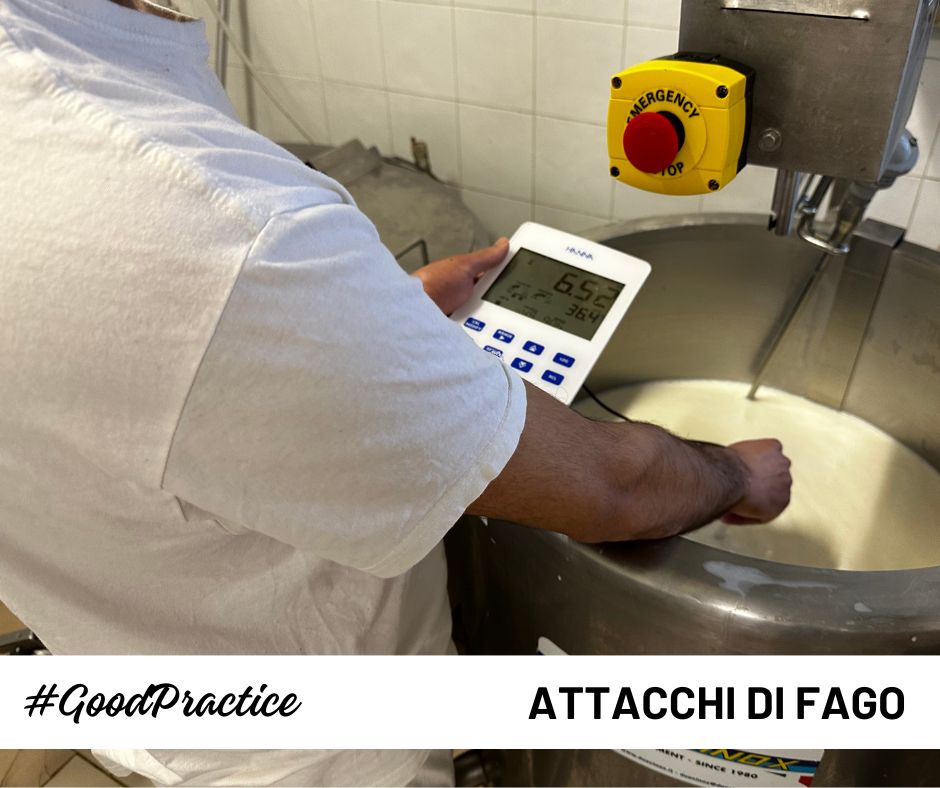
- Primary action: Acidifying the milk by lowering its pH through the conversion of lactose into lactic acid. Acidification promotes syneresis and protects the milk from pathogenic bacteria.
- Secondary action: Enhancing the enzymatic contribution responsible for degradation (maturation), which defines the taste and aroma of the product.
Main Strains of Lactic Ferments
The primary starter cultures used in the dairy industry include:
- Lactococcus lactis – Lactococcus cremoris (cream, butter, chalky pecorino cheeses, etc.)
- Streptococcus thermophilus (mozzarella, caciotta, pecorino cheeses, etc.)
- Lactobacillus delbrueckii – Lactobacillus bulgaricus (yogurt, caciotta, etc.)
- Lactobacillus helveticus (aged cheeses)
- Leuconostoc mesenteroides (butter and spreadable cheeses)
These microorganisms can be classified as either mesophilic (growing at 20–35°C) or thermophilic (growing at temperatures above 35°C).
Types of Lactic Ferments
- Commercial: Freeze-dried preparations containing defined bacterial species with known identities, selected from nature and replicated industrially.
- Natural: Microbial cultures obtained through spontaneous fermentation, often with undefined compositions. These include sieroinnesto (whey starter), lattoinnesto (milk starter), and scottainnesto (whey scalding starter).
One of the most commonly used natural starters is sieroinnesto, obtained from whey collected during cheese production and left to ferment. This method provides an inoculum for the following day’s milk.
Criteria for Selecting Primary Starters An experienced cheesemaker selects ferments based on the desired characteristics of the final cheese. By choosing ferments that are more or less aromatic, acidifying, or fast-acting, and combining these with specific technological parameters, the expected result can be achieved.