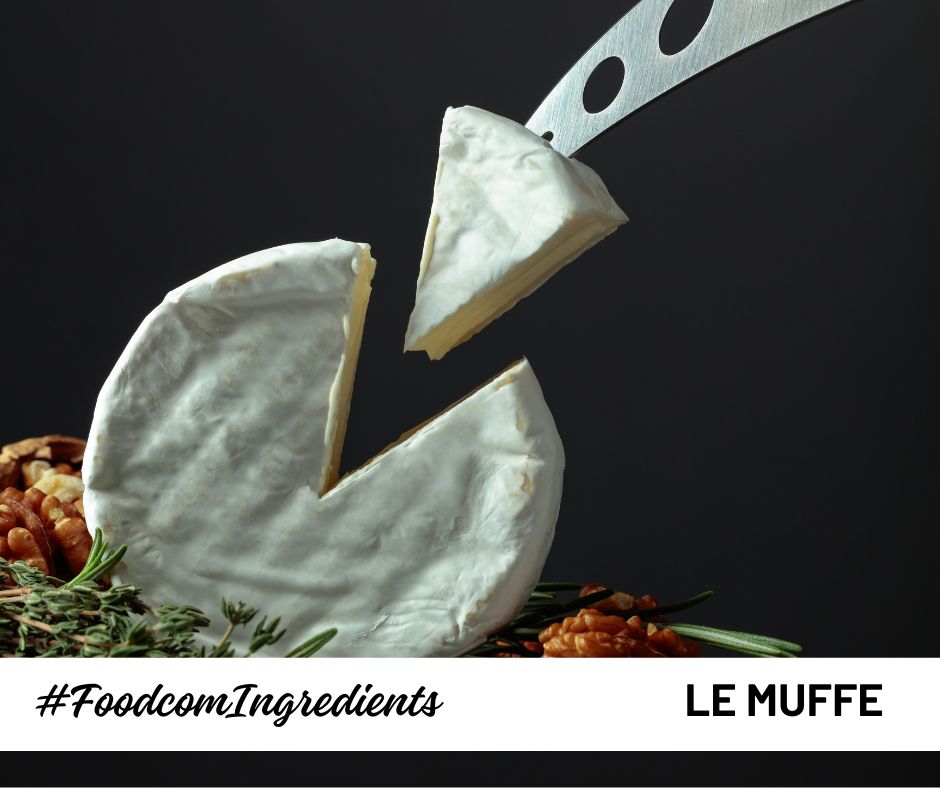
Bloomy rinds represent one of the most fascinating aspects of the world of soft cheeses, where science meets craftsmanship to create true masterpieces of taste. These cheeses owe their name to the white, soft surface coating, obtained through a delicate balance of microorganisms, in particular Penicillium candidum and Geotrichum candidum.
Penicillium camemberti is the true star of bloomy rinds. With its marked proteolytic activity, this mold forms a thick, creamy rind that envelops the cheese, helping to develop complex aromas and a soft texture. Supporting it, Geotrichum candidum adds its own magic: less active than the first, it creates a thinner, more delicate layer, giving further balance to the finished product.
When these two “superstar flora” work together harmoniously, the result is a rind that protects the cheese, enhances its flavors, and contributes to the ripening process. However, the art of managing their development requires great care. If the growth of surface microorganisms is too rapid, problems known as “toad skin” can occur. This phenomenon happens when the cheese collapses under the rind, leaving the core chalky and under-ripened, with a rind that tends to slip away, accompanied by a slightly bitter aftertaste. Such an error compromises not only the aesthetic appearance but also the organoleptic quality of the product.
Bloomy rinds are a hallmark of iconic cheeses such as Camembert and Brie, which have conquered the palates of millions of enthusiasts around the world. But no less noteworthy are Scimudin, Tomino, Paglierine, and many other dairy specialties that offer an endless variety of aromas and textures. Behind every bloomy rind cheese lies a perfect synergy between microorganisms, environmental conditions, and the skilled hand of the cheesemaker. This category of cheese, as delicate as it is full of personality, represents one of the most refined expressions of the cheesemaking art, offering a unique and unmistakable sensory experience.