Secondary starters are microorganisms deliberately added to the cheese matrix to perform specific functions during cheese ripening. These include yeasts, moulds, and bacteria, which contribute to improving and defining dairy products, such as the formation of holes in Swiss cheeses, the orange/reddish pigmentation of Taleggio, and blue veining.
Yeasts
Primarily used for surface growth, yeasts such as Debaryomyces, Kluyveromyces, Pichia, and Zygosaccharomyces are applied to the cheese surface using cell suspensions.
Moulds
Moulds of the Penicillium genus, used in the production of cheeses like Gorgonzola and Roquefort, are responsible for the characteristic blue veining. These moulds are inoculated either on the surface or directly into the milk or curd.
Coryneform Bacteria
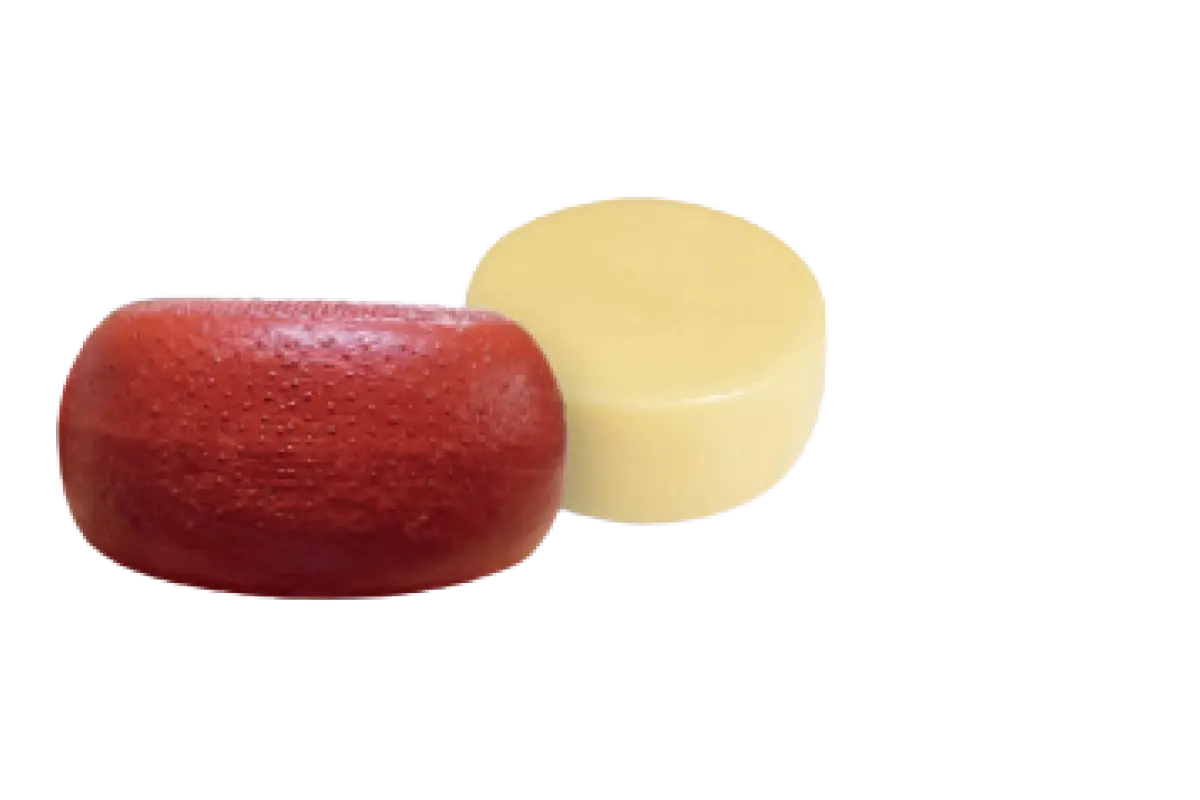
Genera such as Brevibacterium, Arthrobacter, Corynebacterium, and Microbacterium are used for surface-ripened cheeses like Taleggio. These bacteria impart orange coloration and strong aromatic notes, inoculated onto the cheese surface.
Propionic Bacteria
Genera such as Propionibacterium freudenreichii, P. jensenii, and P. thoenii are essential for Swiss cheeses due to their ability to utilise lactic acid during propionic fermentation, which produces carbon dioxide and creates the characteristic holes.
Selection Criteria for Secondary Starters
Moulds
- Formation of Fungal Felt: The ability to create an attractive surface colouration on the cheese.
- Deacidifying Activity: The ability to reduce lactic acid, influencing the structure and acidity of the product.
- Proteolytic and Lipolytic Activity: Moulds hydrolyse tri-, di-, and monoglycerides into free fatty acids, imparting flavour to the cheese. They also break down caseins into peptides and free amino acids.
- Interaction with Other Microorganisms: The mould should not inhibit, or be inhibited by, other microorganisms crucial for ripening.
- Absence of Mycotoxins: Essential for consumer safety.
Coryneform Bacteria
- Surface Development: The ability to adequately develop on the cheese surface.
- Colouration: The ability to create intense colouration.
- Proteolytic and Lipolytic Activity: Essential for developing characteristic flavours and texture.
- Antimicrobial Activity: Production of compounds ensuring dominance within the cheese matrix.
Propionic Bacteria
- Lactic Acid Metabolism: Crucial for the formation of holes in the cheese.
- Probiotic Properties: The ability to survive the gastrointestinal tract and colonise the intestine, providing physiological benefits.
- Proteolytic and Lipolytic Activity: Essential for flavour and texture development.
Conclusions Secondary starters play a crucial role in cheese ripening, profoundly influencing the sensory and nutritional characteristics of the products. Careful selection of these microorganisms, based on specific criteria, is essential to produce high-quality cheeses with distinctive organoleptic properties. These processes not only enhance the final products but also provide new research opportunities to optimise production techniques and ensure food safety.