
Listeria monocytogenes is a bacterium that poses one of the greatest challenges for the dairy industry due to its resilience and ability to thrive under harsh conditions. Its presence in dairy products can have severe consequences for human health, particularly affecting vulnerable populations such as the elderly, pregnant women, newborns, and immunocompromised individuals.
Characteristics of Listeria Monocytogenes
One of the defining traits of Listeria is its ability to survive and multiply in cold environments, such as refrigerators where fresh dairy products are typically stored. This makes controlling the bacterium particularly challenging, as it can grow even at refrigeration temperatures, unlike many other pathogens. Listeriosis, the infection caused by this bacterium, can be extremely severe and may lead to significant complications, including death in extreme cases.
Sources of Contamination
Listeria can contaminate a variety of dairy products, particularly those that are fresh or have extended shelf lives, such as:
- Raw or unpasteurised milk
- Fresh or soft-ripened cheeses
- Butter and cream
Contamination can occur at any stage of the production chain, from milking to processing, distribution, and storage.
Prevention in the Dairy Industry
Given its resilience, the dairy industry must adopt stringent preventive measures. Key interventions to minimise risks include:
- Hygiene
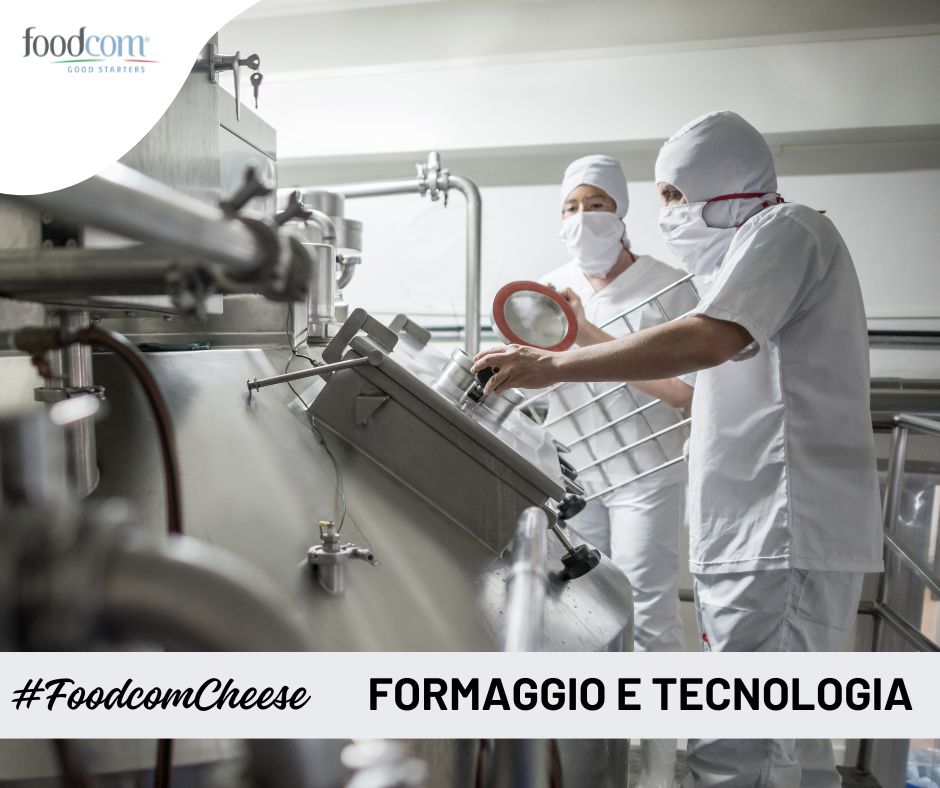
- Implementing detailed cleaning and disinfection protocols for equipment and surfaces in contact with milk and dairy products.
- Temperature Control
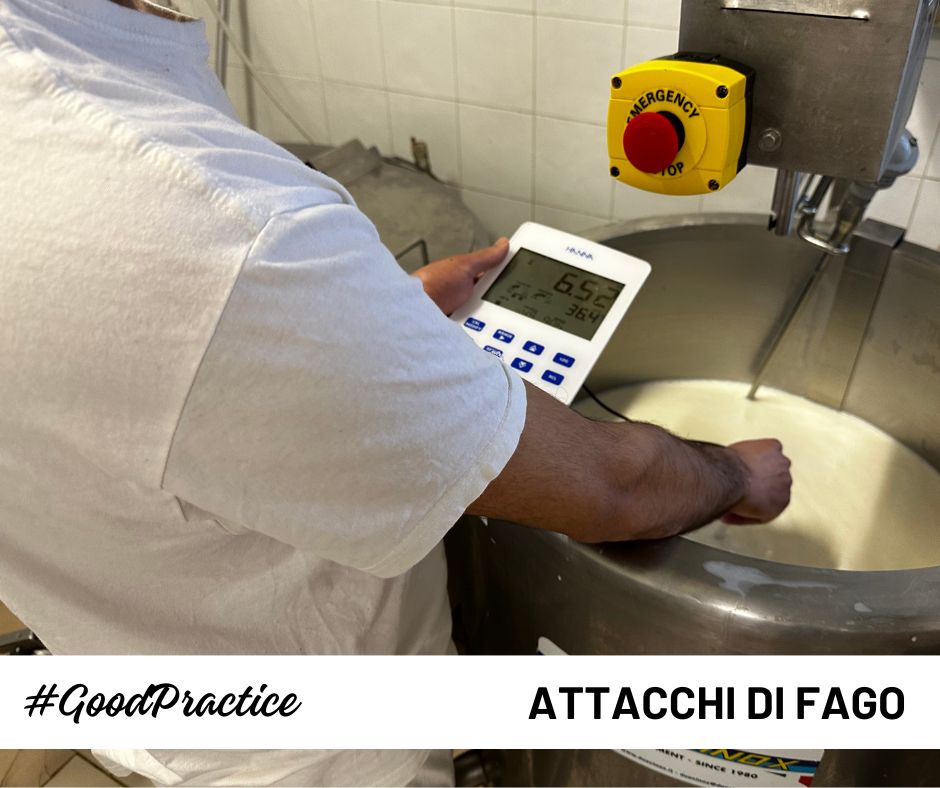
- Constantly monitoring temperatures during processing and storage to avoid conditions that favour bacterial growth.
- Microbiological Testing
- Regular testing of products and surfaces to detect the presence of the bacterium and prevent its spread.
- Staff Training
- Providing continuous education for personnel on managing production processes to minimise contamination risks.
Challenges for the Industry
The dairy industry faces the challenge of balancing effective preventive measures with maintaining the quality and freshness of products. Listeria monocytogenes is a persistent and dangerous obstacle, but with appropriate control and prevention strategies, risks can be significantly reduced. Adopting rigorous food safety standards and consistent monitoring is essential to protect consumers and ensure the safety of dairy products. By prioritising hygiene, temperature control, and regular testing, the industry can combat the threat of Listeria and maintain consumer confidence in its products.