The world of cheesemaking, rich in tradition and innovation, constantly faces the challenge of cheese defects, which represent a significant issue for producers, particularly artisanal ones. These defects not only compromise the appearance of the product but also its organoleptic qualities and shelf life. Below, we explore the various types of defects, their causes, and possible solutions.
Crust or Surface Defects
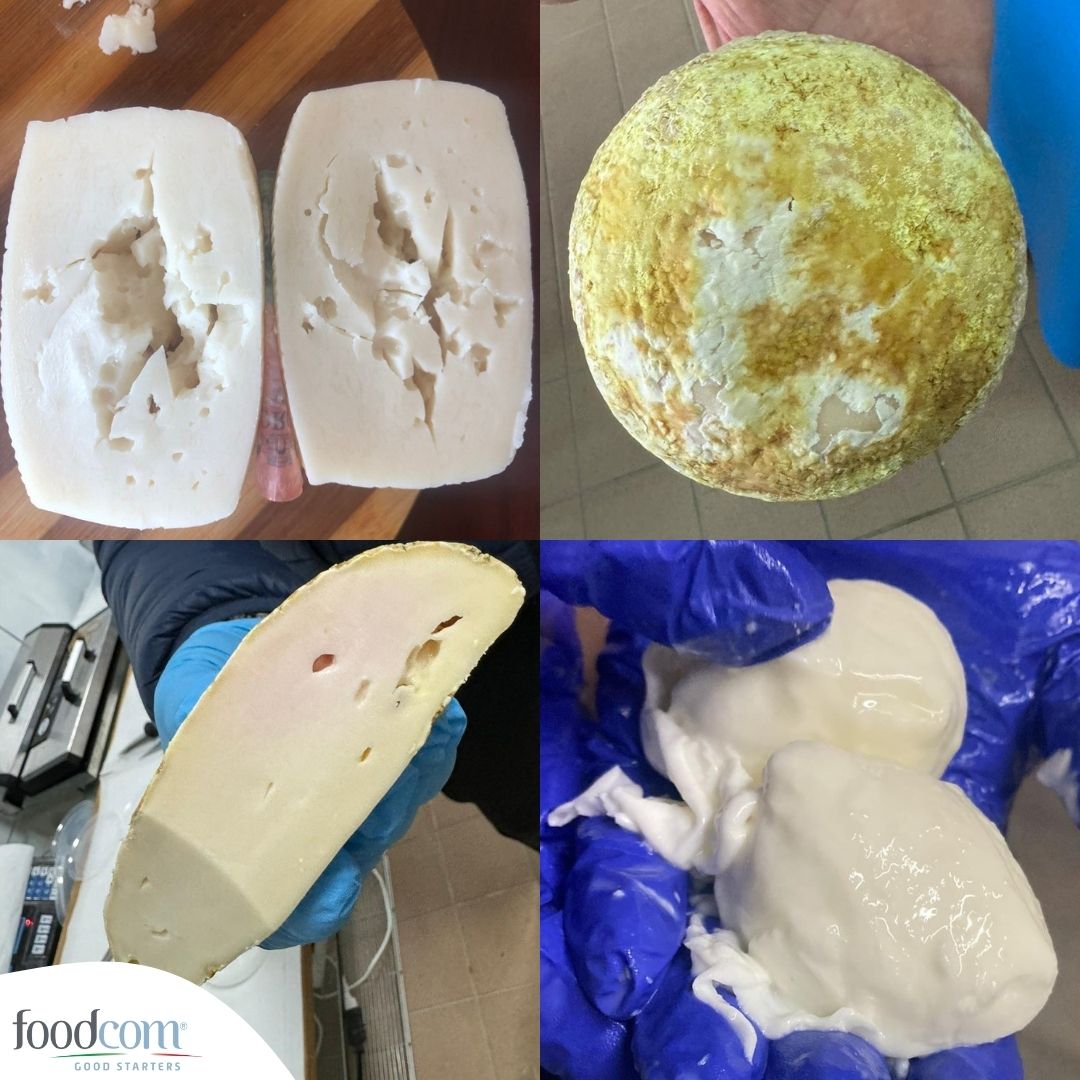
Crust or surface defects are among the most easily identifiable since they can be observed without cutting the cheese. These include cracks, fissures, spots, and irregularities in the crust’s consistency.
- Causes:
- These defects are often caused by excessive acidity or humidity during ripening. Cracks compromise the protective barrier of the cheese, making it more susceptible to contamination and deterioration.
- The presence of unwanted spots or moulds of a different colour than desired may indicate contamination during production or ripening. These moulds can alter the flavour of the cheese and pose a food safety issue.
Structural Defects
Structural defects become evident only when the cheese is cut, unless they are severe. These defects can impair the texture and consistency of the product.
- Examples and Causes:
- Swelling: Typically caused by gas production by contaminating bacteria. Early swelling occurs during the initial stages of ripening, sometimes within hours, while late swelling may appear months later. These defects are generally linked to poor hygiene during production or contaminated milk.
- Chalking: This defect occurs when the cheese has a crumbly, dry texture resembling chalk. It is caused by excessive acidification of the curd, which hinders proper whey expulsion, compromising the final structure, taste, and often the aroma.
Aroma and Flavour Defects
Defects related to aroma and flavour are often the most difficult to identify before tasting but can significantly affect consumer acceptance.
- Examples and Causes:
- Bitterness: This can result from the action of proteolytic enzymes breaking down proteins into bitter peptides and amino acids. It may also be caused by over-ripening, bacterial contamination, fat oxidation in the cheese, or contaminants in the milk.
- Off-flavours: The livestock’s diet can also influence the cheese’s final flavour, with certain feeds imparting undesirable tastes.
Solutions and Prevention
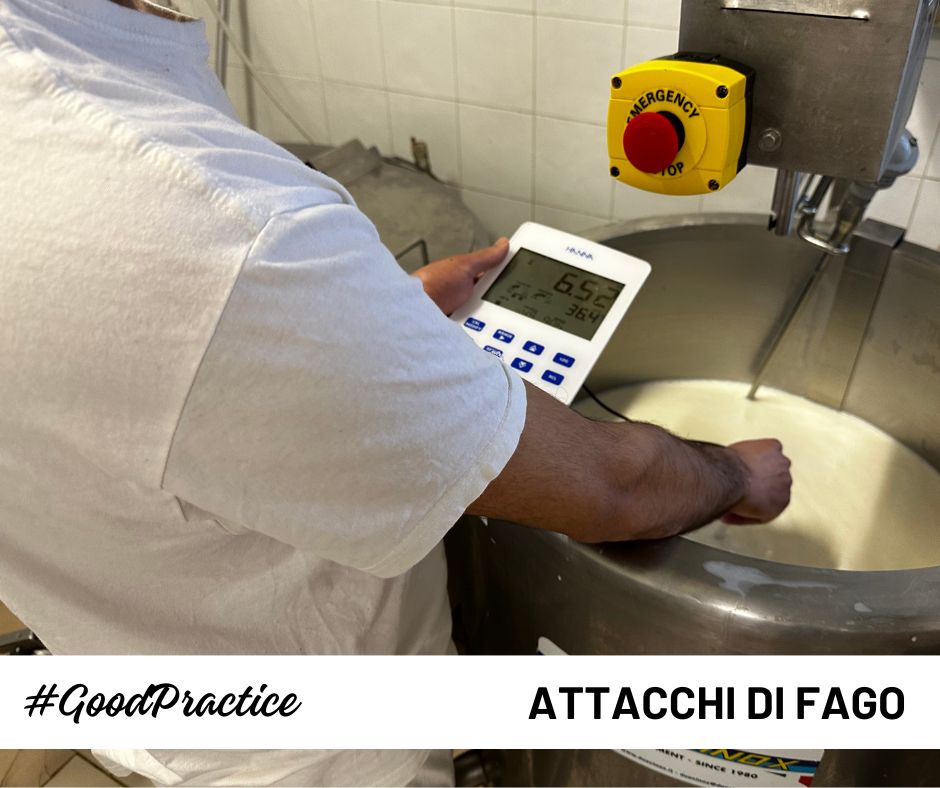
Preventing and addressing cheese defects requires meticulous attention at every stage of production, from milk collection to final ripening. Key steps to minimise defects include:
- Hygiene: Maintaining strict hygiene throughout the production process is critical to preventing contaminations that can lead to structural and flavour defects.
- Acidity Control: Monitoring and regulating the acidity of the milk and curd is essential to avoiding issues such as chalking and crust cracks.
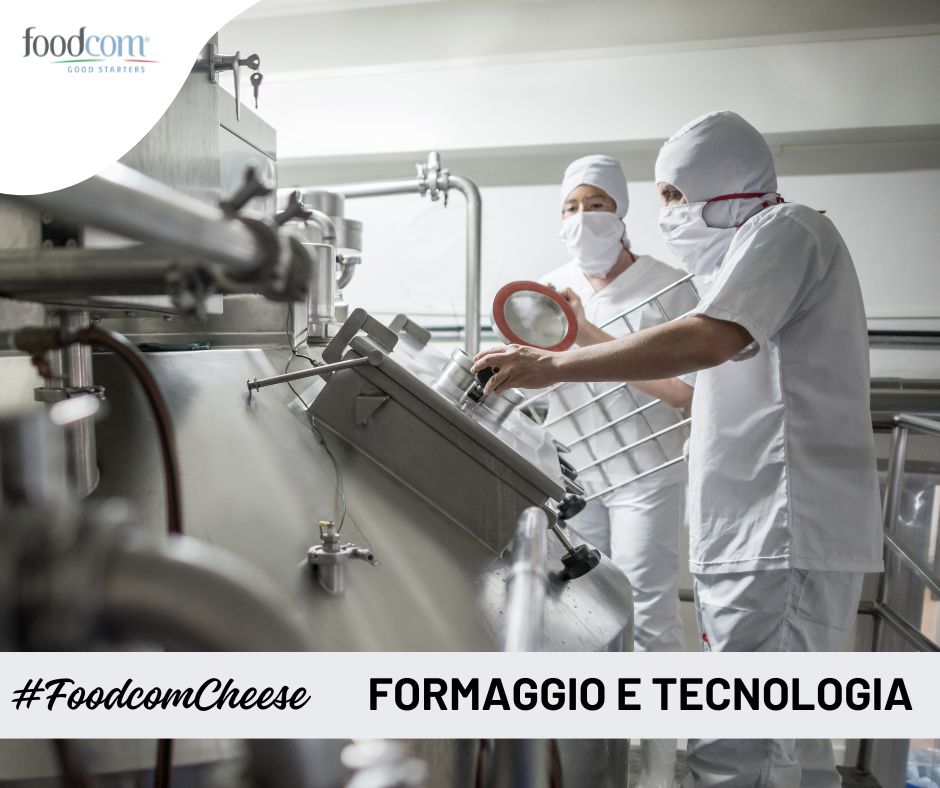
- High-Quality Equipment: Using well-maintained, high-quality equipment can prevent contamination and ensure uniform processing of the cheese.
- Optimal Ripening Conditions: Ensuring proper temperature and humidity during ripening can reduce the likelihood of crust defects and swelling.
By adhering to these practices, producers can enhance the quality and consistency of their cheeses, ensuring products that meet consumer expectations and uphold artisanal traditions.