The history of cheese is fascinating and intricate, with roots stretching back to ancient times when early human populations began domesticating animals for milk production. Around 8000 years ago, in Mesopotamia, efforts were made to domesticate dairy animals and process their milk. According to legend, an Arab merchant, travelling through the desert with milk stored in a sheep’s stomach pouch, accidentally discovered curd due to the heat and the enzymes present in the pouch. While legendary, this story highlights the ancient need to preserve milk, already valued for its nutritional properties.
The Origins of Cheesemaking
The earliest archaeological evidence of cheesemaking dates to the second millennium BCE in Mesopotamia. The bas-relief known as The Dairy Frieze depicts priests engaged in cheese production, underscoring the sacred value attributed to this food. In Greek civilisation, cheese was highly regarded. Homer, in The Odyssey, describes Polyphemus milking his sheep and making cheese. Hippocrates, often considered the first physician in history, described cheese as a strong, warming, and nutritious food, while Aristotle documented milk coagulation techniques using fig latex.
The Romans refined cheesemaking techniques and spread them throughout their Empire, being the first to use cow’s milk alongside sheep’s milk. Marcus Terentius Varro, in the first century BCE, described the main types of cheese consumed at the time. Columella, in his agricultural treatises from the first century CE, detailed the cheesemaking techniques of the era, focusing on the use of vegetable coagulants like thistle flower and fig juice, though favouring lamb rennet.
Cheese Through the Middle Ages
During the Early and Late Middle Ages, monks in abbeys preserved Roman cheesemaking technologies, considering cheese a humble food. Between the 1200s and 1400s, cheese began appearing on the tables of the nobility, becoming a key ingredient in the cookbooks of the era. Pantaleone da Confienza, a medieval physician, wrote a treatise on the nutritional qualities of cheese, helping to spread knowledge about this food.
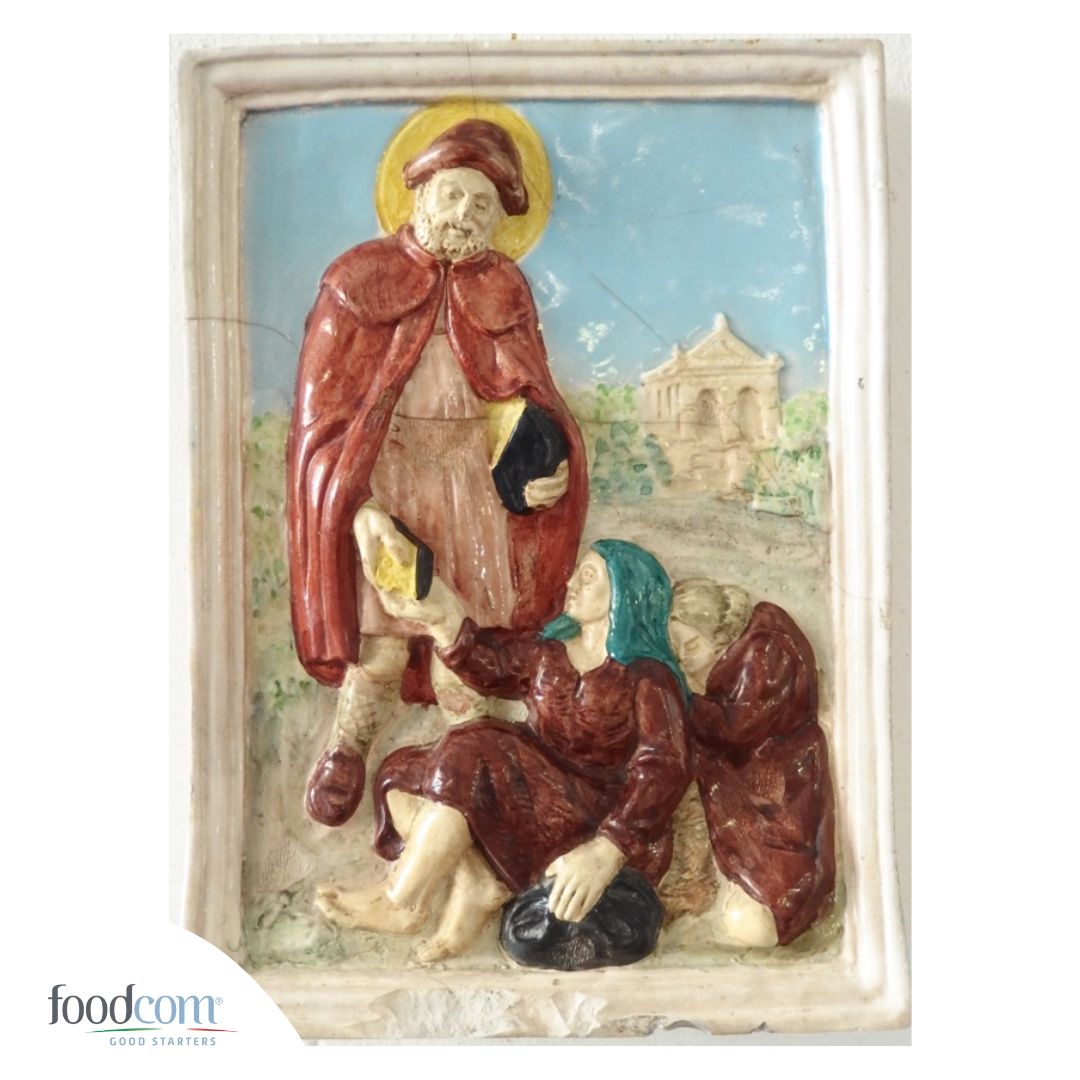
Saint Lucio, a 13th-century martyr from Carvagna in the province of Como, is the patron saint of cheesemakers and herders. Tradition holds that Lucio was a shepherd who shared the cheese he produced with the poor, leading his master to dismiss him. While working for a new master, Lucio’s goods multiplied, while his old master fell into poverty and, consumed by envy, killed Lucio.
Cheese During the Renaissance
With the Renaissance, cheese gained further prestige and popularity. During this period, many production techniques were perfected, and the first regional varieties—many of which are still enjoyed today—began to emerge. The discovery of the New World further increased cheese variety, thanks to the exchange of knowledge and practices between continents.
Cheese in the Modern Era
The modern era witnessed the industrialisation of cheesemaking, with the introduction of advanced machinery and scientific techniques to improve product quality and safety. Despite this evolution, artisanal cheesemaking remains a vital and cherished sector, with numerous small producers keeping ancient traditions alive. Today, cheese is widely consumed and appreciated worldwide, with an extensive range of varieties reflecting diverse cultures and cheesemaking traditions. Production techniques continue to evolve, with growing interest in organic and environmentally friendly cheeses. Furthermore, scientific research is exploring new methods to enhance the quality and sustainability of cheesemaking, ensuring this millennia-old craft remains a vital part of global culinary heritage.