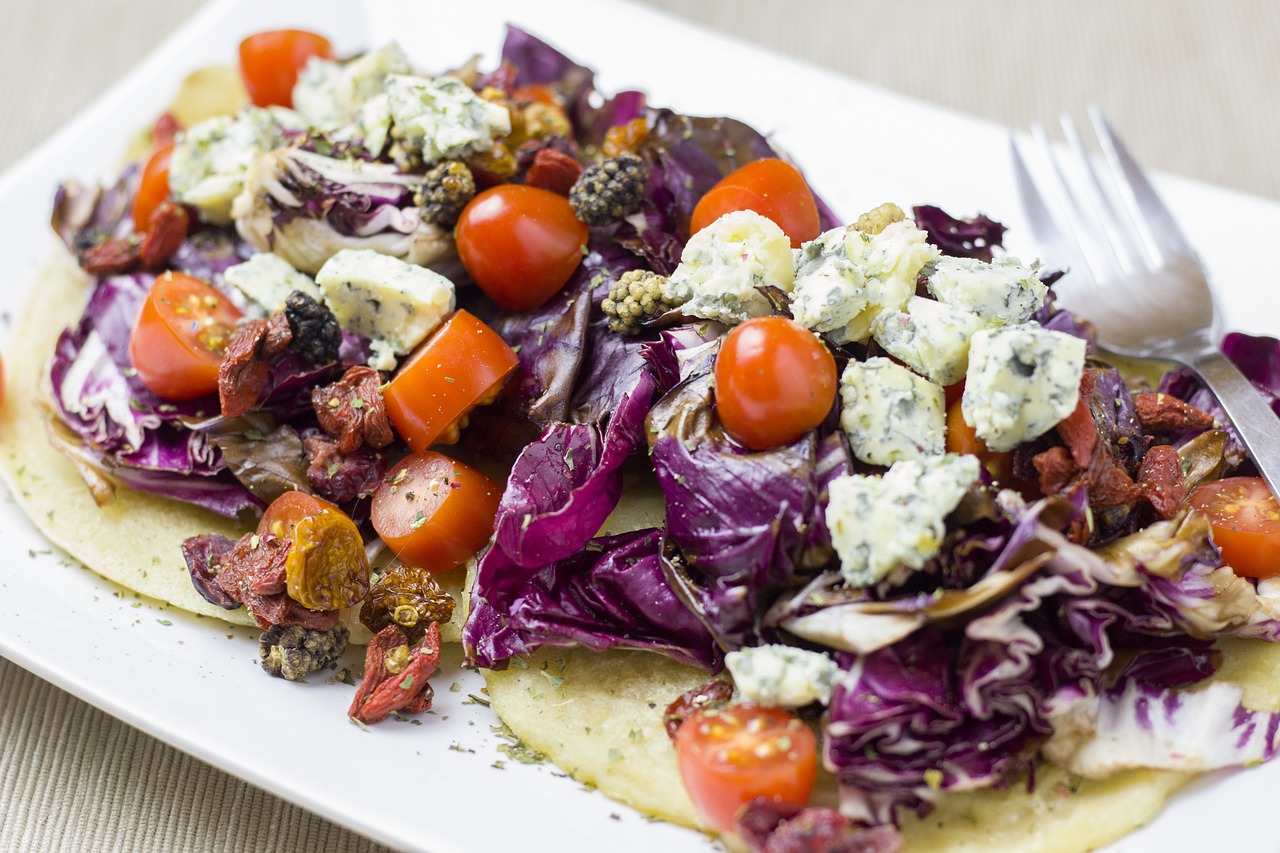
Blue cheeses, renowned for their distinctive veins and rich flavors, are among the most intriguing varieties in the vast world of cheese. The key to their uniqueness lies in the use of specific molds, which not only give these cheeses their characteristic blue or green appearance but also enrich their flavor, turning them into true gastronomic masterpieces. In this article, we’ll delve into the secrets of blue cheese production, offering insights on how dairy producers can excel in this niche.
The Role of Molds in Blue Cheeses
The molds used in blue cheeses belong to the genus Penicillium, with Penicillium roqueforti, Penicillium candidum, Geotrichum candidum, and Brevibacterium linens being among the most popular. These microorganisms not only define the cheese’s aesthetics but also play a fundamental role in shaping its flavor profile, introducing a range of notes from sweet to tangy and spicy. Choosing the appropriate mold is therefore a critical step, requiring careful consideration of its compatibility with the milk type, aging conditions, and desired final flavor.
The Production Process
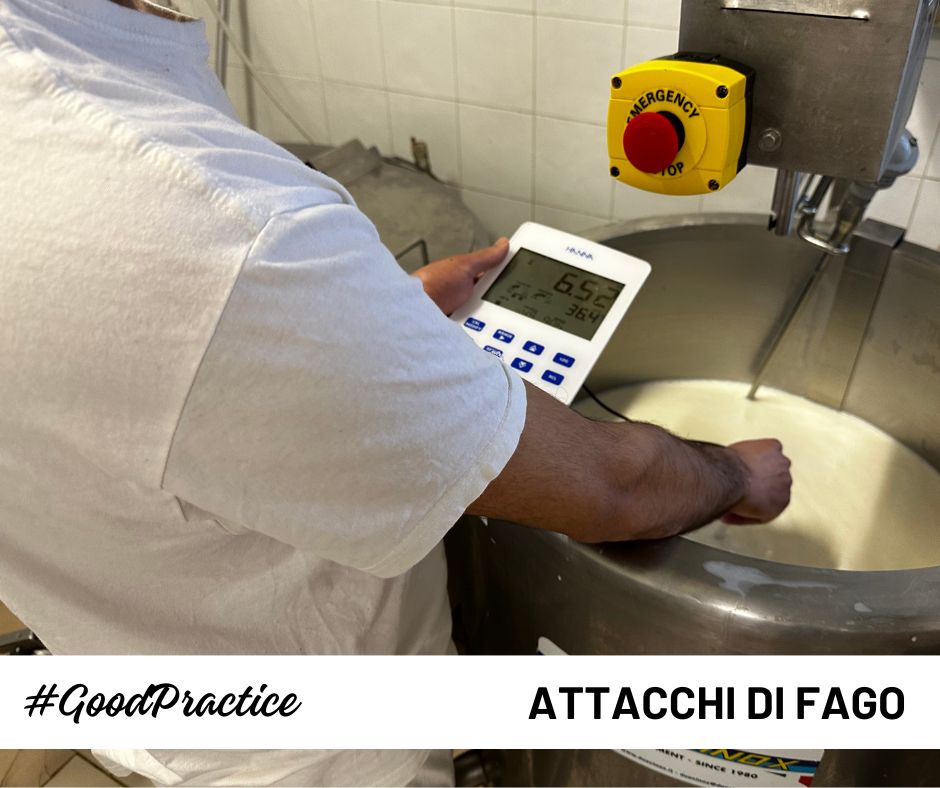
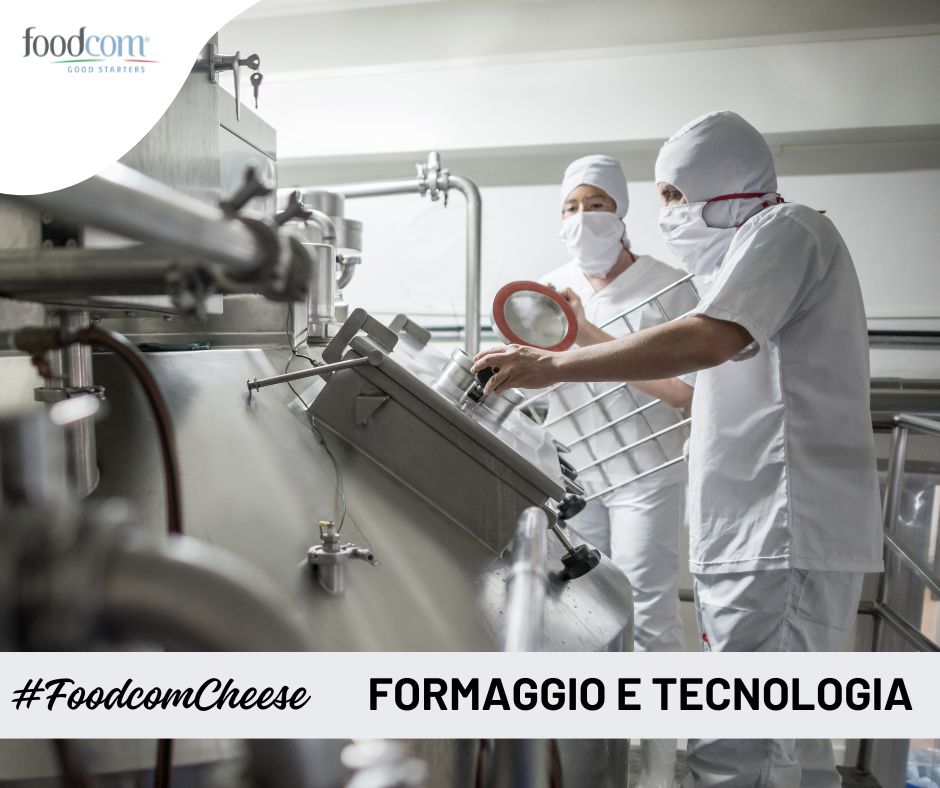
The process of crafting blue cheeses begins with milk preparation, where starter cultures and the selected mold are added. The milk is then coagulated, and the curd is worked before being salted and transferred to aging environments designed to promote mold development. Maintaining optimal temperature and humidity in these rooms is vital for success. Piercing the curd with fine needles is a crucial step in ensuring even distribution of the mold, as it allows oxygen to penetrate and activate its growth.
Balancing Tradition and Innovation
While adhering to traditional techniques is important, innovation and experimentation offer new possibilities in blue cheese production. Exploring new strains of mold or experimenting with alternative aging techniques can help dairy producers stand out in the market, creating unique cheeses that captivate consumers with their exceptional appearance and flavor.
Excellence in Blue Cheese Production
Producing high-quality blue cheeses is an art that requires dedication, precision, and a deep understanding of the dynamics between milk, mold, and the aging environment. Through careful selection of molds and meticulous management of the production process, dairy producers can create products that not only delight cheese lovers but also celebrate craftsmanship and innovation in cheesemaking. A passion for quality and a desire to explore new culinary horizons are invaluable allies for anyone venturing into the production of these fascinating and complex cheeses. By combining tradition with creativity, blue cheese makers have the opportunity to craft truly memorable products that stand out in a competitive market and tell a story of skill, care, and imagination.