
Cheesemaking is an ancient art that blends tradition and innovation. At the heart of this age-old process are lactic cultures—essential microorganisms that transform milk into cheese, giving it its flavor, texture, and unique characteristics. In this article, we’ll explore the critical role of lactic cultures in dairy production and how innovations in this field can lead to superior quality cheeses.
The role of lactic cultures
Lactic cultures are “good” bacteria that play a pivotal role in the fermentation of milk. These microorganisms convert lactose, the sugar in milk, into lactic acid, triggering a series of chemical reactions that thicken the milk and initiate the cheese maturation process. The choice of specific lactic cultures can significantly influence the flavor, texture, and overall quality of the final cheese, making each product unique.
Innovations in Lactic Cultures
In recent years, dairy research has made significant strides, leading to the identification and development of specific strains of lactic cultures tailored for different types of cheese. These advancements provide producers with the ability to customize their products, improving aspects such as texture, aromatic profile, and shelf life. Innovations in lactic cultures open new doors to creating cheeses that not only honor tradition but also elevate it, meeting the demands of a market increasingly focused on quality and sustainability.
Choosing the Right Lactic Culture
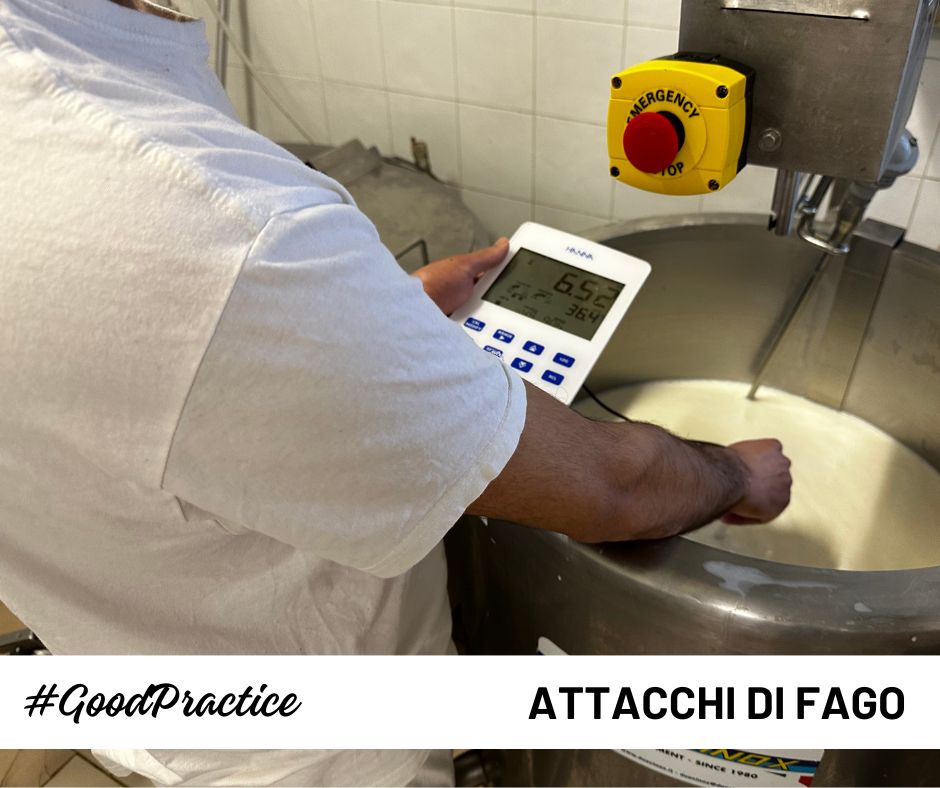
Selecting the right lactic culture is fundamental to achieving the desired cheese. Both artisanal and industrial producers must consider various factors, such as the type of milk used, fermentation conditions, and the final characteristics they aim to achieve. Collaborating with experienced suppliers, who offer not only high-quality products but also specialized guidance, can make a significant difference in achieving production excellence.
The Heart of Cheesemaking
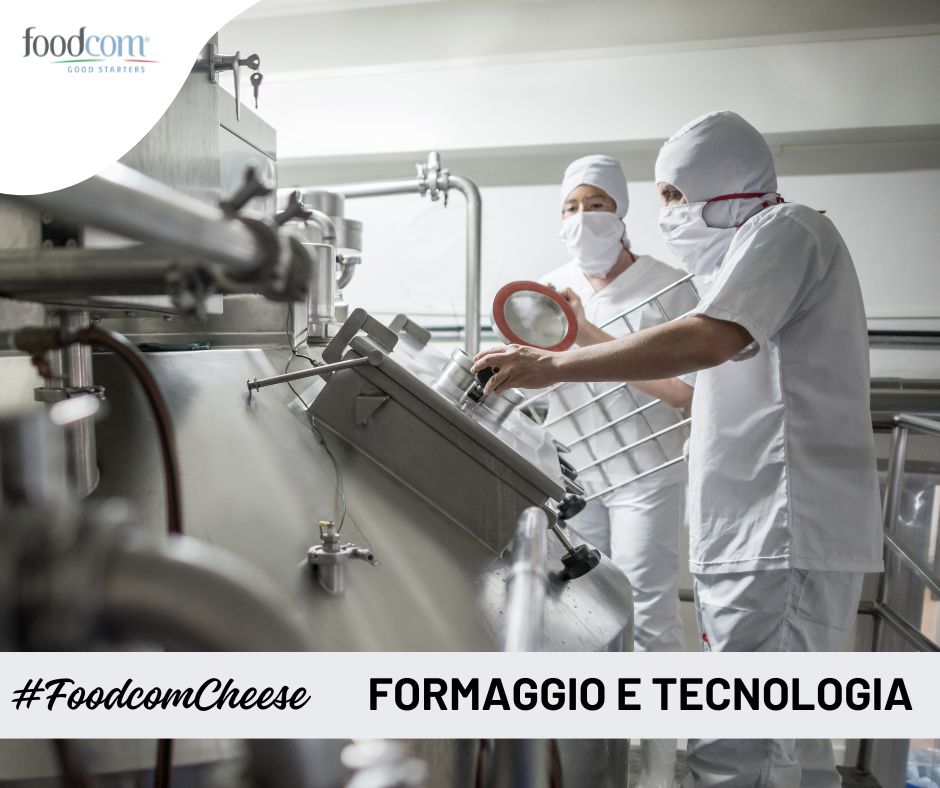
Lactic cultures are far more than just an ingredient in the cheesemaking process; they are the beating heart that brings cheese to life. With advancements in science and technology, producers now have sophisticated tools to refine their products, experiment with new flavors and textures, and meet the demands of an ever-evolving market. The key to success lies in balancing innovation and tradition, selecting the lactic cultures best suited to specific production needs, and creating cheeses that tell a story of quality, passion, and craftsmanship. This innovation-driven approach, combined with a deep appreciation for cheesemaking traditions, not only enhances the quality of products offered but also serves as a winning strategy for standing out in a competitive market. Whether you are a producer seeking innovative solutions or an enthusiast eager to uncover the secrets of high-quality cheeses, lactic cultures represent a fascinating and decisive chapter in the grand story of cheesemaking.