In the world of cheesemaking, selecting the right rennet is essential to ensure the quality of the final product. For large-scale production, this choice becomes even more critical. Here are practical tips to help you choose the ideal rennet for your high-volume production needs.
Understanding the Role of Rennet
Rennet is a blend of enzymes used to coagulate milk during the cheesemaking process. Traditionally, rennet is derived from the stomachs of unweaned calves, but there are alternative options, including plant-based, microbial, and fermentation-derived rennets, which may be better suited for specific production contexts. The type of rennet selected will influence, along with other factors, the flavor and aging process of the cheese.
Types of Rennet
- Animal Rennet:
This traditional choice is prized for its ability to produce cheeses with excellent flavor and texture characteristics. However, it may not be the best option for vegetarian consumers or where there are restrictions on animal-derived imports. - Microbial Coagulant:
Derived from fungi and molds, microbial rennet is a non-animal solution that performs well in coagulation. Some microbial rennets can also produce premium cheeses suitable for long aging periods. - Plant-Based Coagulant:
Extracted from plants such as thistle, plant-based rennet is ideal for specific types of cheese and provides a completely vegetarian alternative. However, it may be less versatile than other types and is often limited to certain cheese varieties. - Fermentation-Derived Coagulant:
Produced through controlled microbial fermentation, this rennet offers high consistency and standardization. It is also vegetarian-friendly and well-suited for large-scale operations.
Considerations for Large-Scale Production
- Product Consistency:
For high volumes, it is crucial that the rennet ensures uniform coagulation to avoid variations in the final product. - Availability:
Confirm the availability and scalability of your chosen rennet. Some types, such as plant-based or specialized rennets, may not be readily available in large quantities. - Cost:
Rennet contributes significantly to production costs. Evaluate the cost per unit of coagulation to ensure economic viability for large-scale operations.
Conclusion
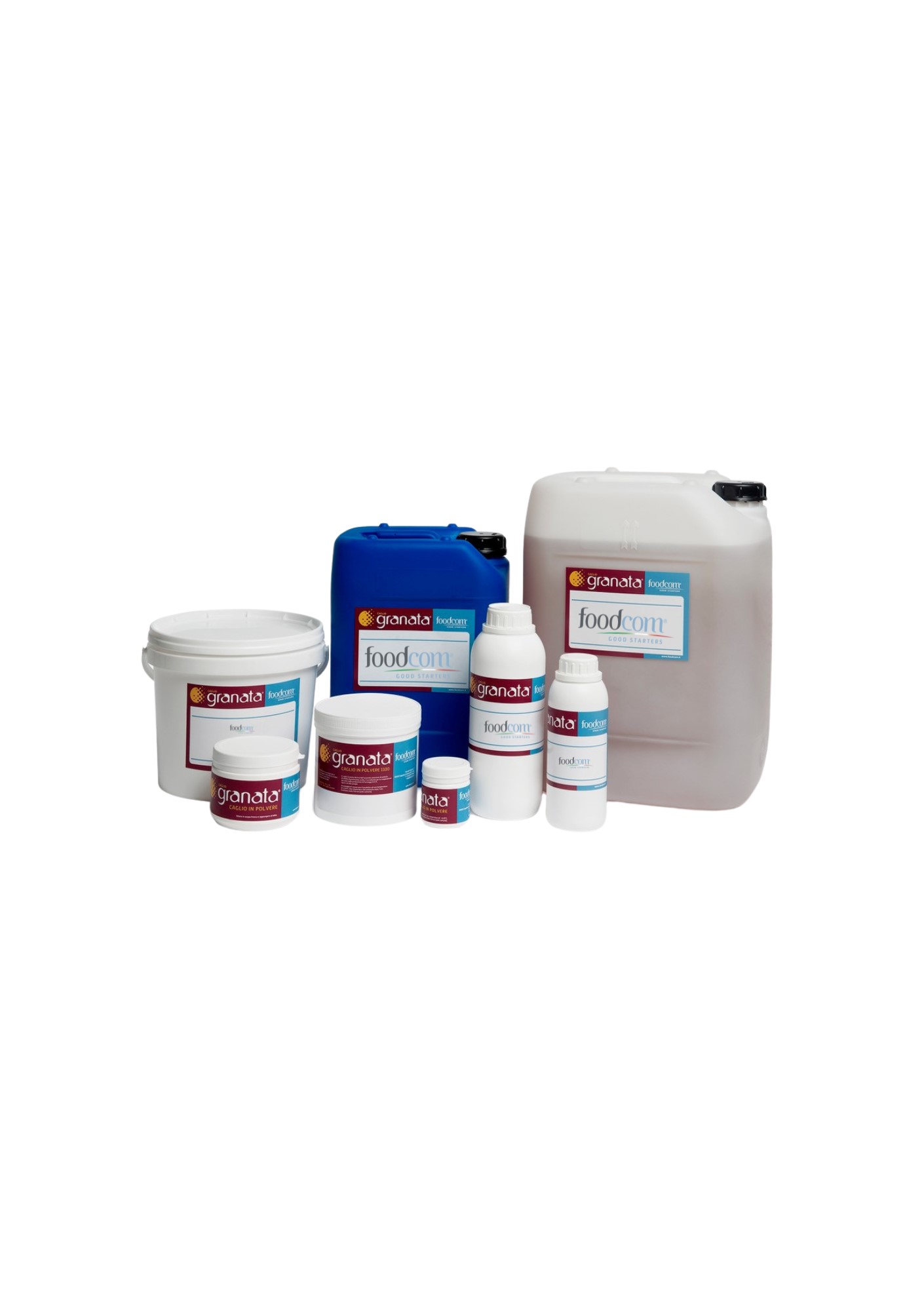
Choosing the right rennet is a strategic decision that can greatly impact the quality and commercial success of your cheese. It’s essential to consider all practical and ethical factors to make an informed choice that aligns with your production goals and market demands. With the proper selection, you can optimize production and consistently meet consumer expectations with every batch of cheese. For more information on our range of rennets and customized solutions for large-scale production, visit www.foodcom.it.