The transformation of milk into stretched curd is an ancient cheesemaking practice deeply rooted in Italian culinary tradition. This method produces some of the world’s most iconic and beloved cheeses, such as mozzarella, provolone, and scamorza. Let’s explore this fascinating process that turns a simple ingredient into unique culinary delicacies.
From Milk to Curd
The journey begins with fresh milk, typically from cows, buffalo, sheep, or goats. The quality of the milk is crucial for producing excellent cheese. The milk is filtered and pasteurised to eliminate any pathogenic bacteria, ensuring the safety and quality of the final product.
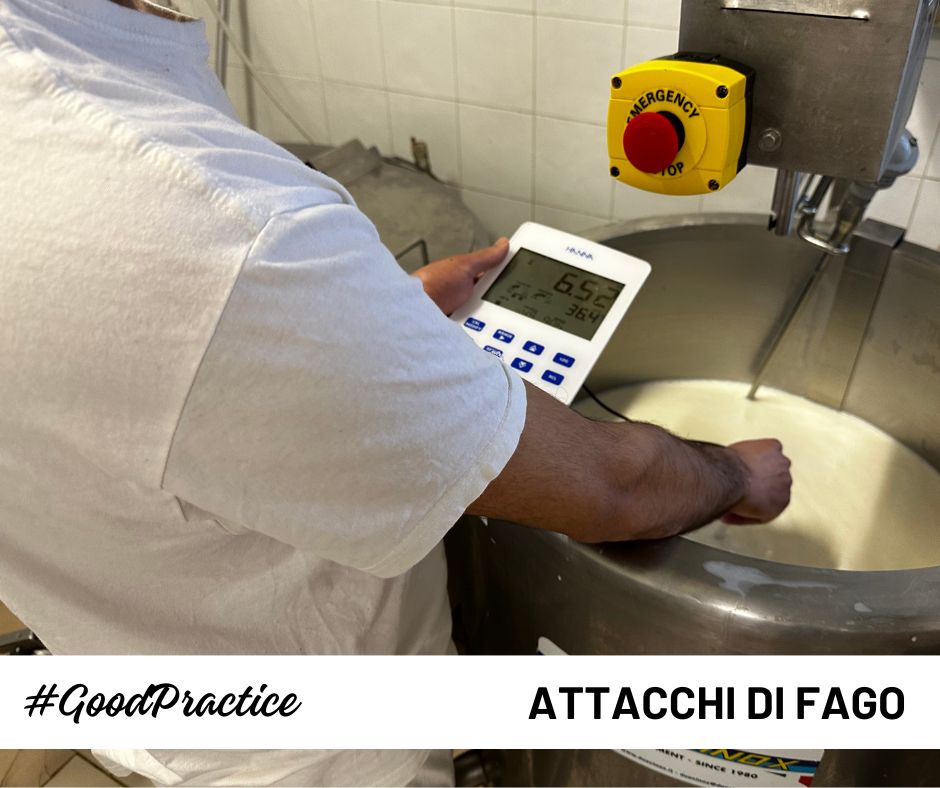
The first step in transforming milk into cheese is coagulation. This process starts with the addition of rennet, an enzyme that separates the milk into curd and whey. The rennet can be of animal, vegetable, or microbial origin and may include lipase, an enzyme that gives aged provolone its distinctive spicy flavour. The resulting curd has a gelatinous consistency and is cut into small pieces to facilitate the release of whey.
The Magic of Stretching
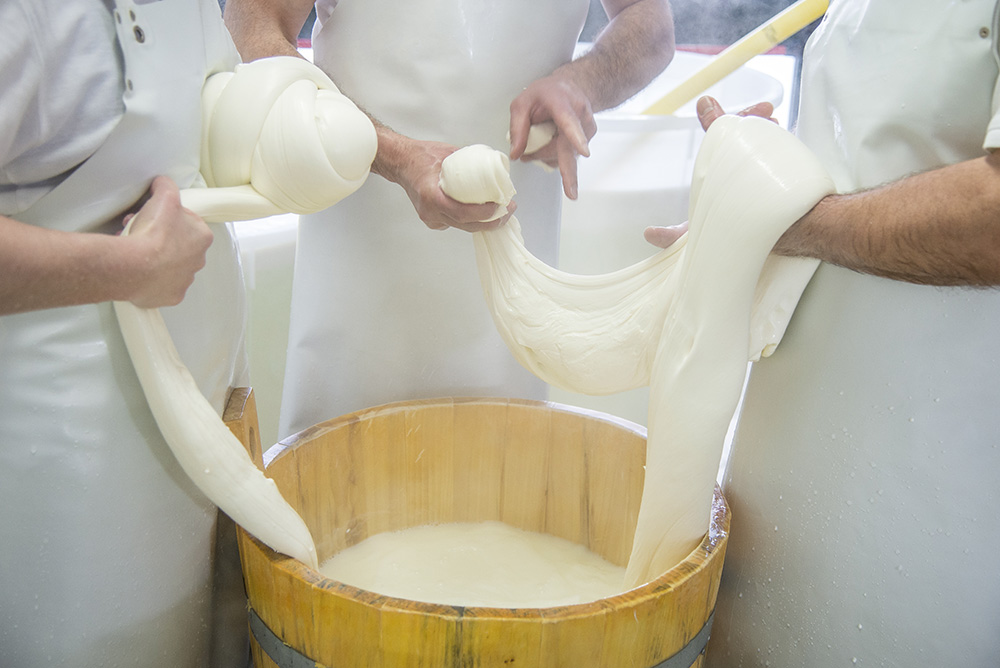
What sets stretched-curd cheeses apart from others is the stretching process. Once the curd reaches the desired pH, it is ready for stretching. This is done in water or steam stretching machines, with the curd heated to temperatures between 70–90°C. At this temperature, the curd becomes pliable and can be stretched and worked until it achieves a smooth and homogeneous consistency. This step is crucial for giving the cheese its characteristic fibrous and elastic structure.
Shaping and Forming
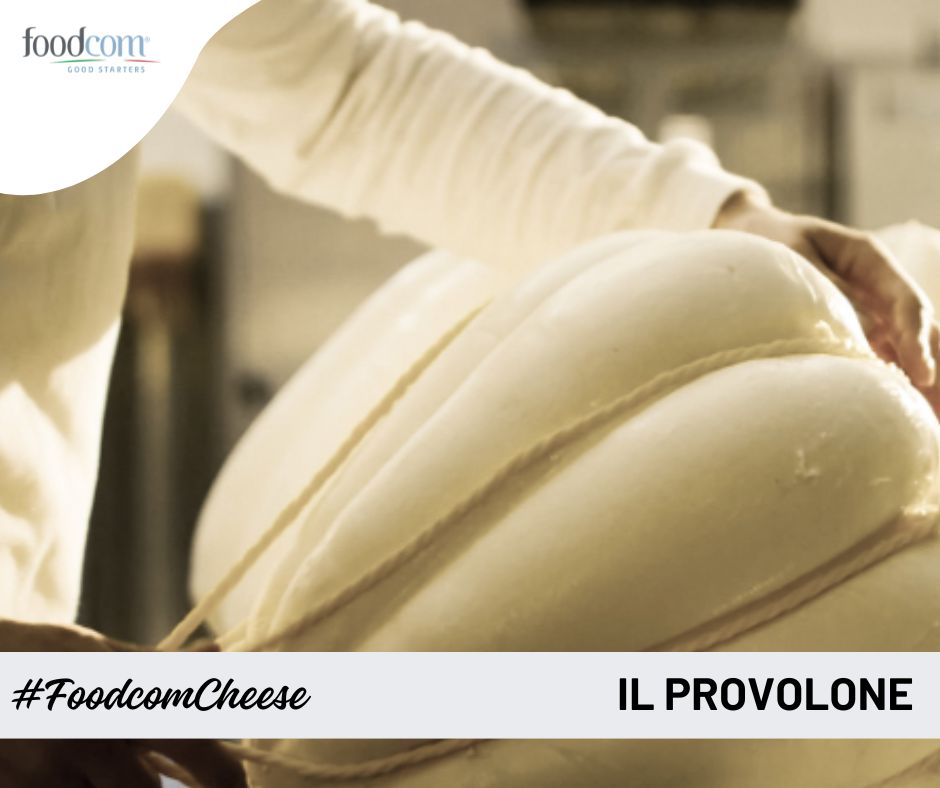
After stretching, the cheese is shaped into the desired forms. For mozzarella, the stretched curd is moulded into balls of various sizes. Provolone, on the other hand, is shaped into large cylindrical or conical forms. The moulding process requires skill and precision to ensure uniform consistency and proper structure.
Salting
Salting is an essential step to enhance the cheese’s flavour and extend its shelf life. There are several salting methods: brining, dry salting, or salting during the stretching process.
- Brining involves immersing the cheese in a saline solution.
- Stretching Salting involves adding salt directly during the stretching process.
The duration and salt concentration vary depending on the type of cheese and the desired outcome.
Ripening or Immediate Enjoyment
Some stretched-curd cheeses, like provolone, require an ageing period that can last from a few weeks to several months. During this time, the cheese develops its characteristic flavour, and its texture evolves further. Fresh mozzarella, on the other hand, is consumed immediately or after a brief maturation period.
The Art and Science of Cheesemaking
The transformation of milk into stretched-curd cheese is a process that combines tradition, artisanal skill, and science. Every step, from selecting the milk to stretching the curd, contributes to creating unique and delicious cheeses enjoyed worldwide. Cheesemaking is a precious cultural and gastronomic heritage that deserves to be known and celebrated. While this craft continues to evolve, it preserves its traditions and adapts to new technologies. Thanks to the dedication and passion of master cheesemakers, we can continue to enjoy top-quality cheeses that tell the story and culture of our land.