
Cheese
Lactose-Free Cheeses
If you’re lactose intolerant, you’re probably familiar with lactose-free dairy products. From a producer’s perspective, this topic raises many questions, especially regarding the technological processes

If you’re lactose intolerant, you’re probably familiar with lactose-free dairy products. From a producer’s perspective, this topic raises many questions, especially regarding the technological processes
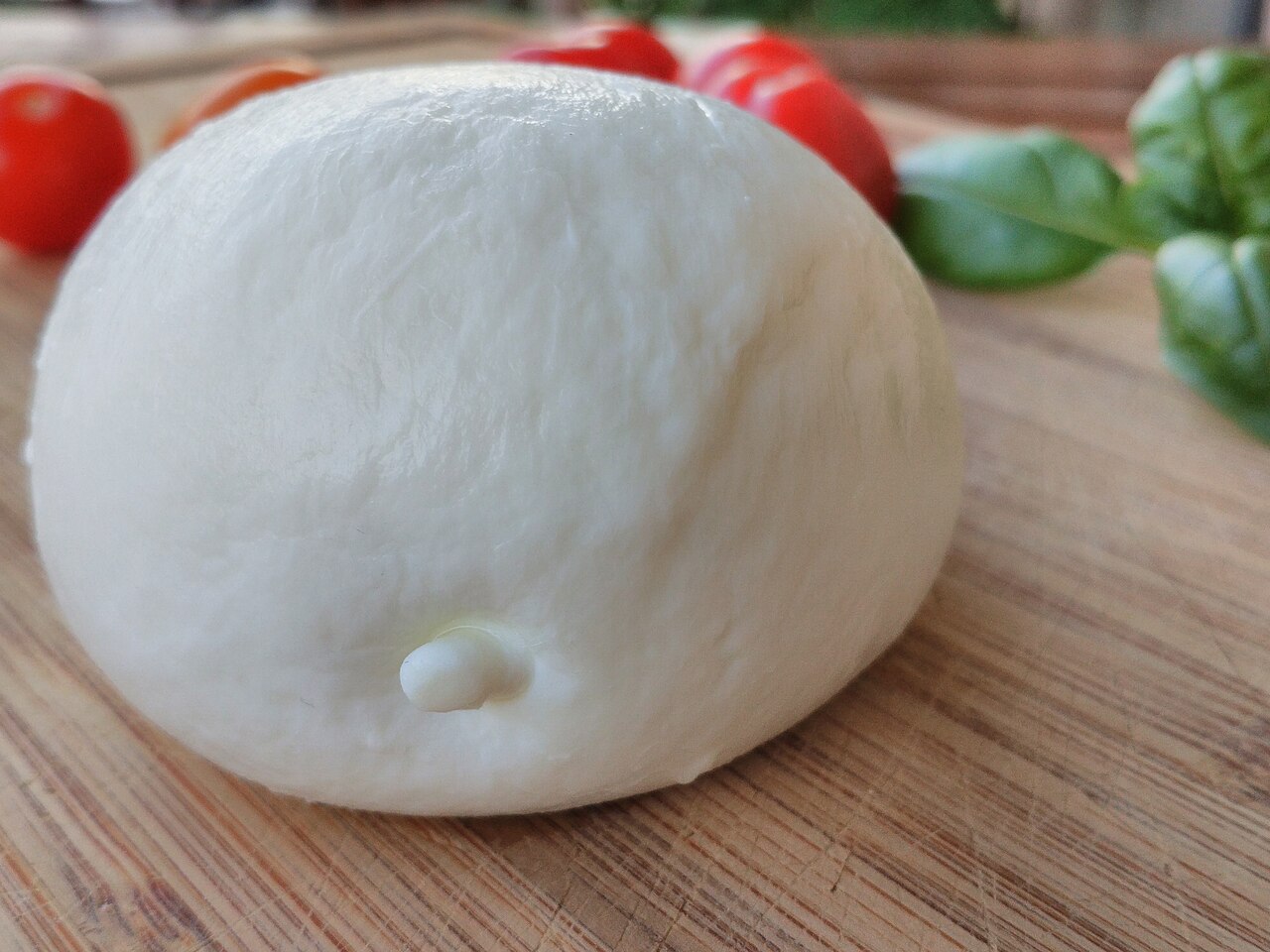
Mozzarella is undoubtedly the most consumed dairy product during the summer, with its demand and production increasing exponentially. If you’re a producer, it’s crucial to
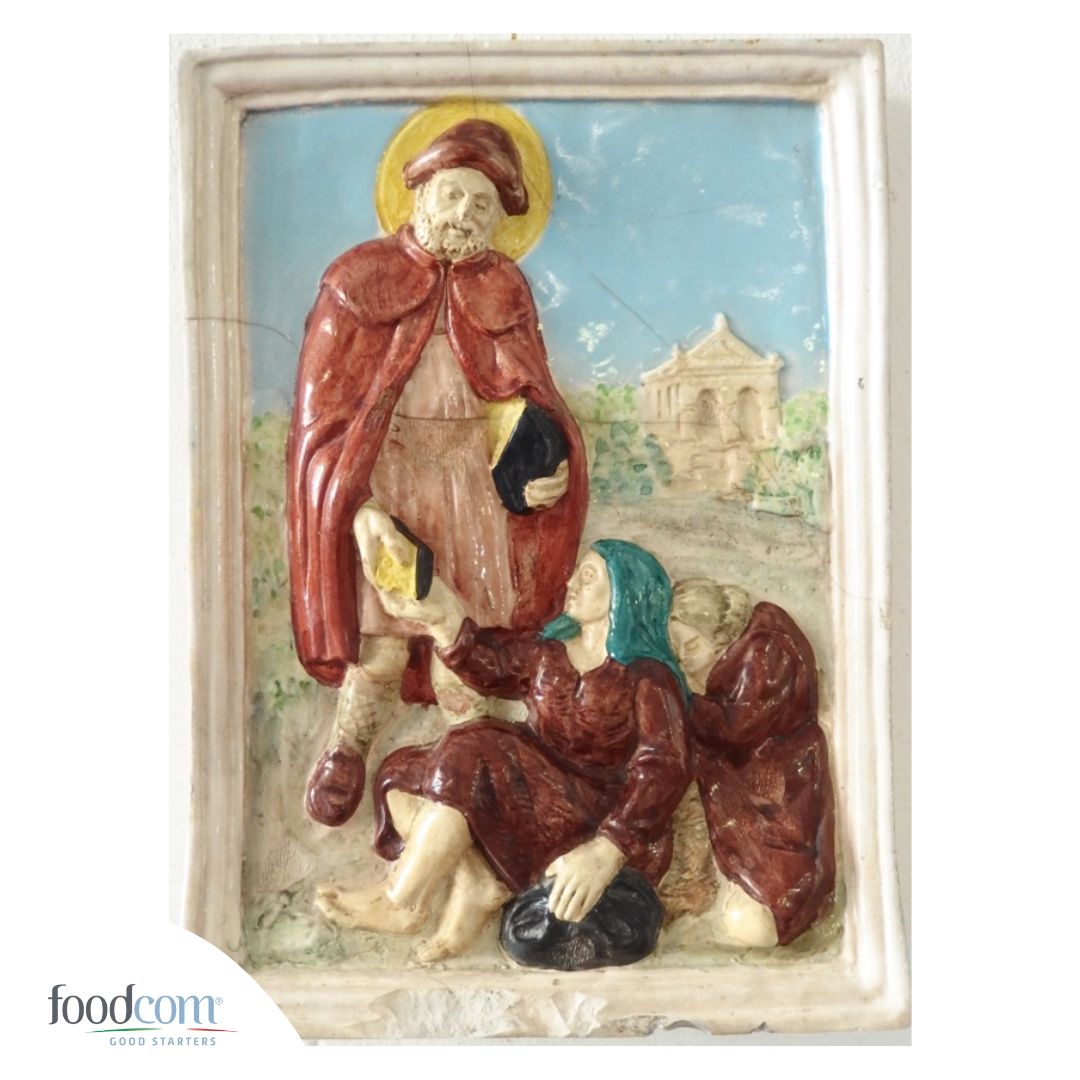
The history of cheese is fascinating and intricate, with roots stretching back to ancient times when early human populations began domesticating animals for milk production.

The dairy industry faces an invisible but powerful challenge: bacteriophages, viruses that attack the lactic bacteria used in milk fermentation to produce yoghurt and cheese.
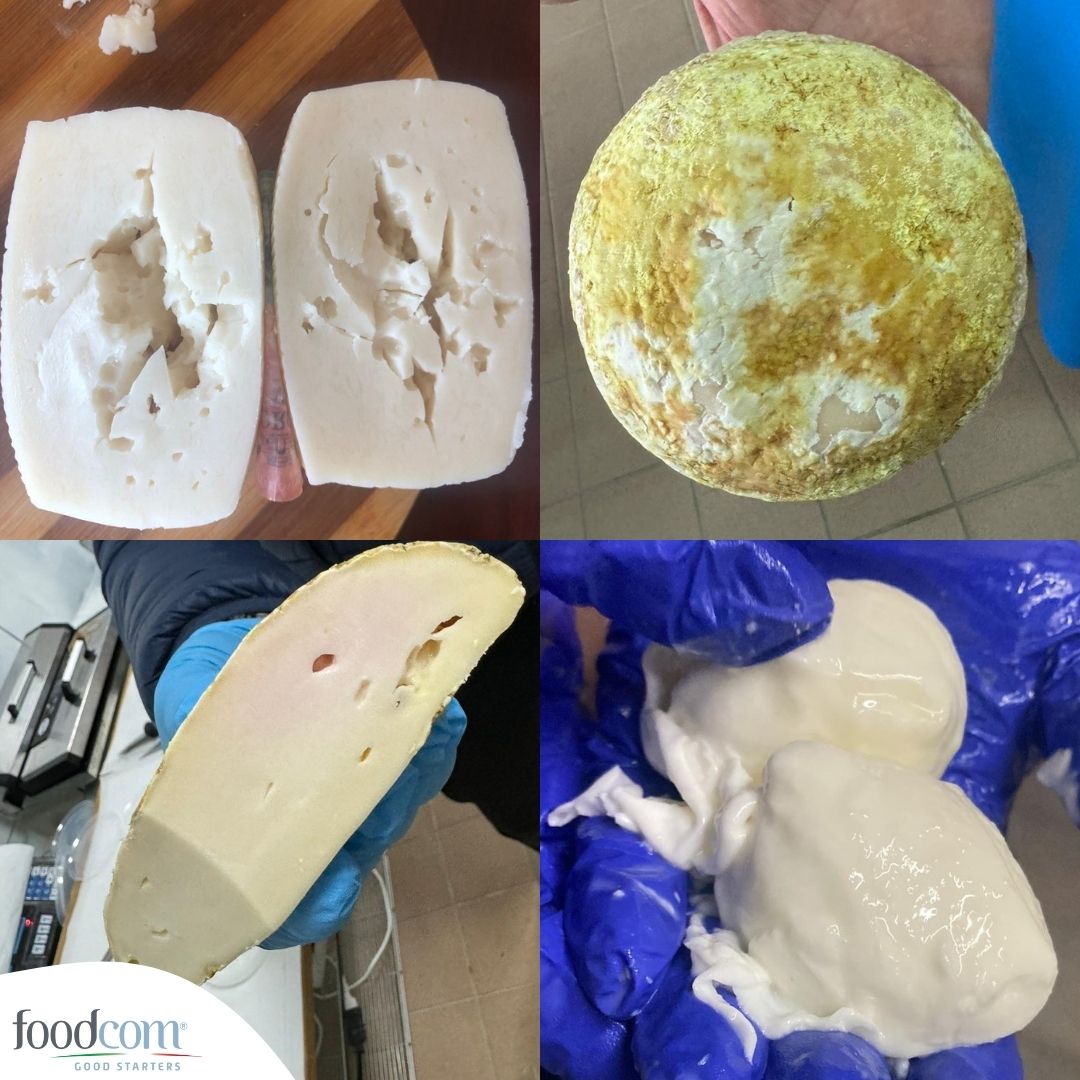
The world of cheesemaking, rich in tradition and innovation, constantly faces the challenge of cheese defects, which represent a significant issue for producers, particularly artisanal

In recent years, vegetable rennet has gained increasing visibility in the dairy industry, meeting a dual demand: that of vegetarian consumers and religious dietary requirements.
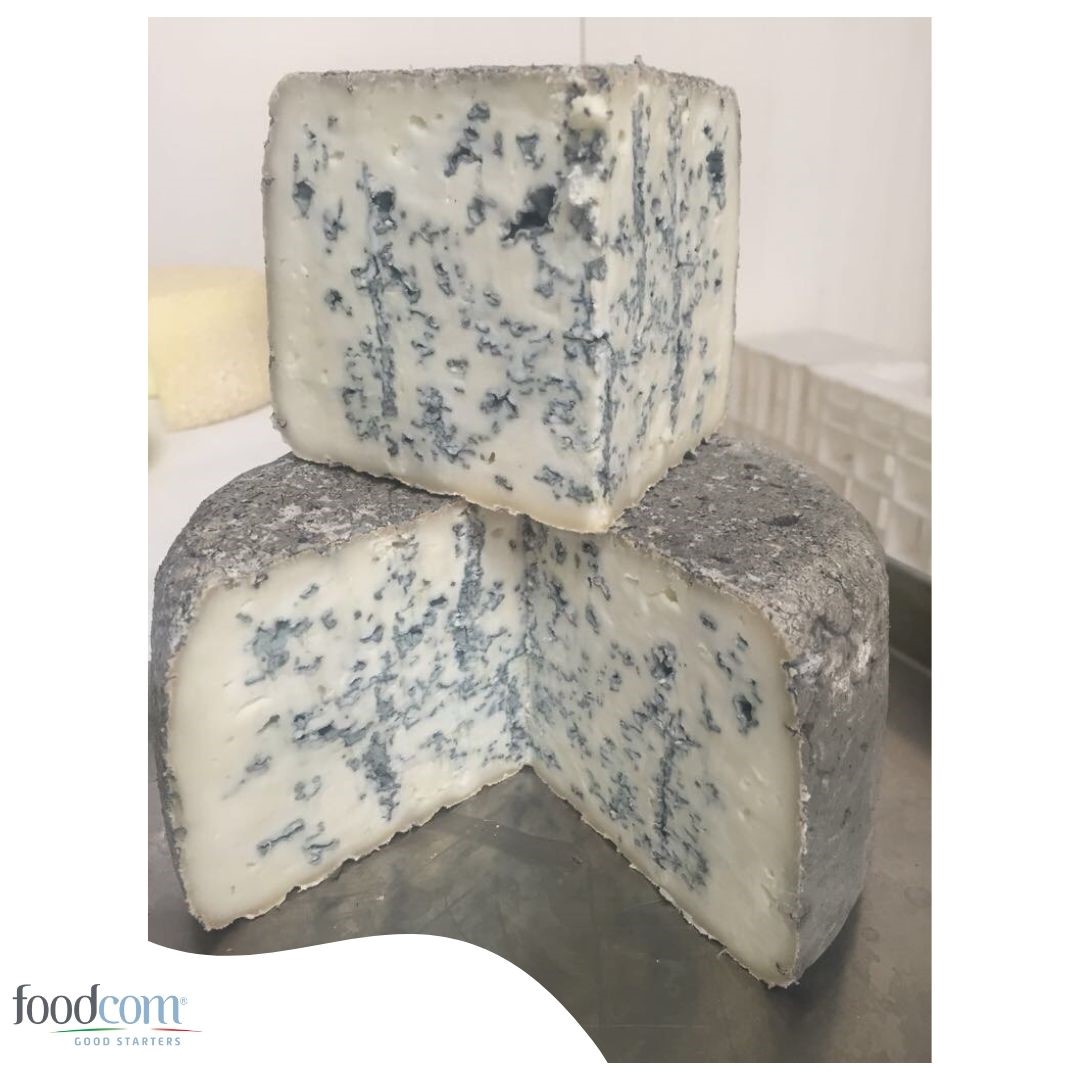
The Penicillium Genus The Penicillium genus, part of the Aspergillaceae family, is a group of ascomycete fungi characterised by ascospore formation. Known for their grey-green
Secondary starters are microorganisms deliberately added to the cheese matrix to perform specific functions during cheese ripening. These include yeasts, moulds, and bacteria, which contribute
Recent studies have highlighted the nutritional advantages of dairy products derived from animals grazed or fed on grass, showing a higher content of bioactive compounds
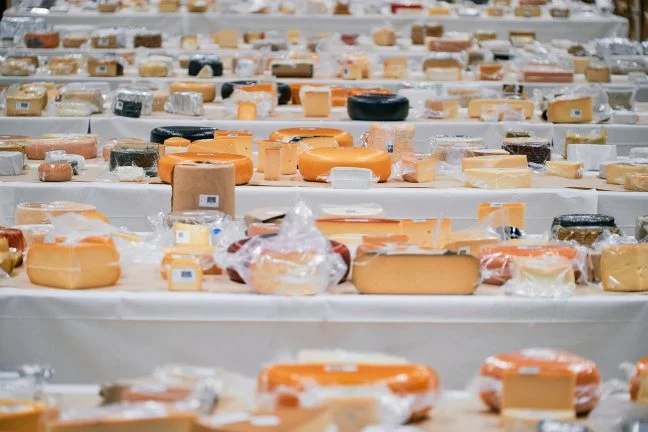
The Guilde Internationale des Fromagers revealed last night, via an Instagram live stream, the names of the five finalists who will compete for the title